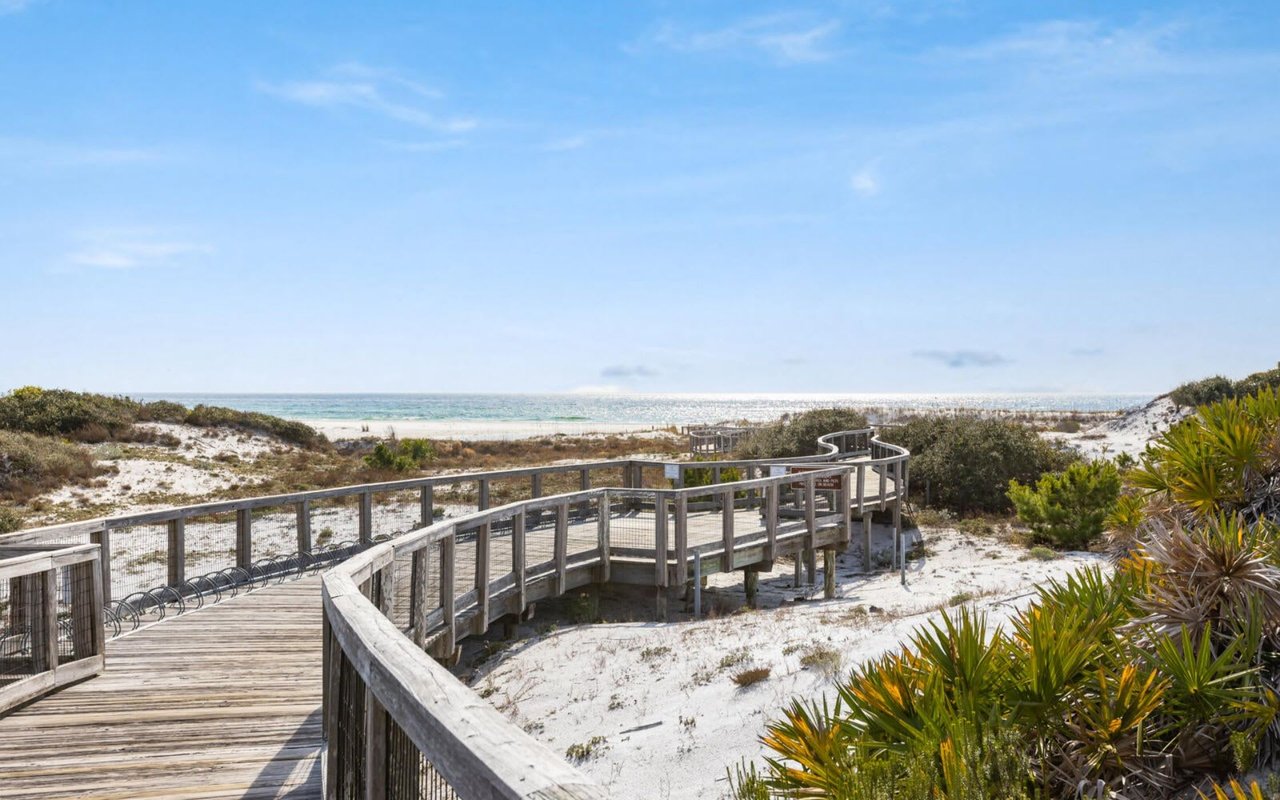
The Florida Panhandle features some of the most distinctive and diverse styles of private homes, historical buildings, and commercial venues in the entire U.S. Indeed, the area’s unique blend of styles and architecture reflects back on the history of Florida as a whole. Let’s take a closer look at what Santa Rosa Beach architecture has to show.
Caribbean Style
The gorgeous Santa Rosa Beach is split up by using Florida State Road 30A as a dividing line. SR 30A (as it is known) skirts along the Gulf of Mexico with several detours and jogs as it winds southeast down the state’s perimeter. The first architectural style we notice along SR 30A is the distinctive Caribbean style.
The Caribbean style is dominated by a simple yet timeless form. Both elegant and down-to-earth, Caribbean architecture is warm, inviting, and sometimes oversized in the shape and proportion of its columns and roof eaves. Color is also integral in these kinds of homes, creating an alluring and intriguing space. Large, unadorned exterior walls are often stuccoed for a very slight textured surface. Bright, vibrant oranges, mint greens, or coral paints are common.
Caribbean homes focus on interior ventilation, including numerous balconies on the upper stories. The temperatures in Santa Rosa Beach can reach highs in the 90s throughout much of the summer, so fresh air is important to circulate inside. You can often find large covered patios and sitting areas as well for relaxation and entertainment.
Seaside Style
The second entry in our list of architectural styles commonly seen throughout Santa Rosa Beach real estate is the well-known Seaside style. Named after the nearby town of Seaside, builders in this area paved a new way for Florida home styles in the mid to late 20th century. This style spread all over the panhandle, and Santa Rosa Beach today contains a healthy proportion of homes like it.
The Seaside style is a blend of previous building styles. The most evident element is a colonial, upright, traditional form. White or eggshell exterior paints are common, with entries covered by a recognizably Southern peaked roof and Greek revival columns. Many of the Seaside homes are two stories and incorporate a great number of thin windows on both levels to maximize airflow and create a sense of rhythm along the exterior.
The Coastal Cottage Style
This unique panhandle architectural style is the “coastal cottage” or Florida vernacular style. These small, humble homes used to dominate the Florida landscape from coast to coast. Nowadays, they’re harder to find, but Santa Rosa Beach real estate thankfully still holds claim to several beauties. These stunning homes originate in the 1800s.
The coastal cottage home is the definition of intimate, comfortable living. The interiors are charming, painted in neutral hues, and feature a variety of small rooms with large windows, low roofs, and skillfully engineered cabinetry. It reflects the values of “Old Florida” — understated exterior forms with elaborate interior wainscotting and patterned walls. The sunroom is often an integral part of the design, calling back to a time when Floridians entertained guests for hours at home, drinking cool beverages and playing games in the summer heat.
Spanish Style
The so-called Spanish Style was once the most popular architectural form seen in Old Florida and in the Deep South more generally. Today, we can see the majority of Spanish-style homes in Santa Rosa Beach in the large estates that take up prime locations near the coast. Spanish homes feature large clay roofs made of distinctive clay tiles that emulate an old-world European and Mediterranean appeal.
Other ways to distinguish the Spanish style include a number of small balconies that emerge from second-story bedrooms. The lower floors may include Roman columns and arched areas that lend a rhythm and lightness to the building. Terracotta coloring and materials are often a significant feature of the exterior.
What’s most interesting is that the remaining Spanish homes in the area are often the oldest in the city. Starting all the way back to the late 1500s, Spanish conquistadors landed in Florida and moved west year by year until the Santa Rosa Beach area eventually came under their influence. Yet, many large estates today are built in the same style that has been here for over 400 years.
Rosemary Beach Style
Our final entry on the list of Santa Rosa Beach architectural designs comes from the neighboring city of Rosemary Beach. Architects in that town took a unique view of architecture, and their distinctive choices quickly blossomed all along SR 30A.
The so-called Rosemary Beach style reflects a modern mixture of old designs. The carriage houses in Rosemary Beach were the main source of inspiration. Added to that skeleton, the builders attached many of the elements of the vernacular style that we discussed above. These elements included sunrooms and wider doors and windows to encourage more airflow. The builders then added parts of the Caribbean style, shown by the bold, stucco exterior walls. Finally, they put on a final veneer of the Northeastern styles commonly found in the Hamptons, Martha’s Vineyard, and Nantucket. Linear, upright wooden decks on the second story reflect that influence.
It’s safe to say that the Rosemary style is the most modern on our list. Its hybrid nature tells us a lot about what architects are influenced by today. Nevertheless, homes in the distinctive Rosemary Beach style are incredibly popular in Santa Rosa Beach, especially near the coast, where homeowners can enjoy the warm winds from the heights of a second-story covered deck.
Reach Out to a Local Real Estate Agent Today
With that, we’ve come to the end of our insider’s guide. Santa Rosa Beach architecture is constantly changing. Tradition and modern tastes take up equal space along the coast, and every street corner will showcase a variety of stunning styles. If you have any questions or want to jump into the Santa Rosa Beach real estate game, get in touch today! Contact The Richards Group for more information and expert guidance every step of the way.
