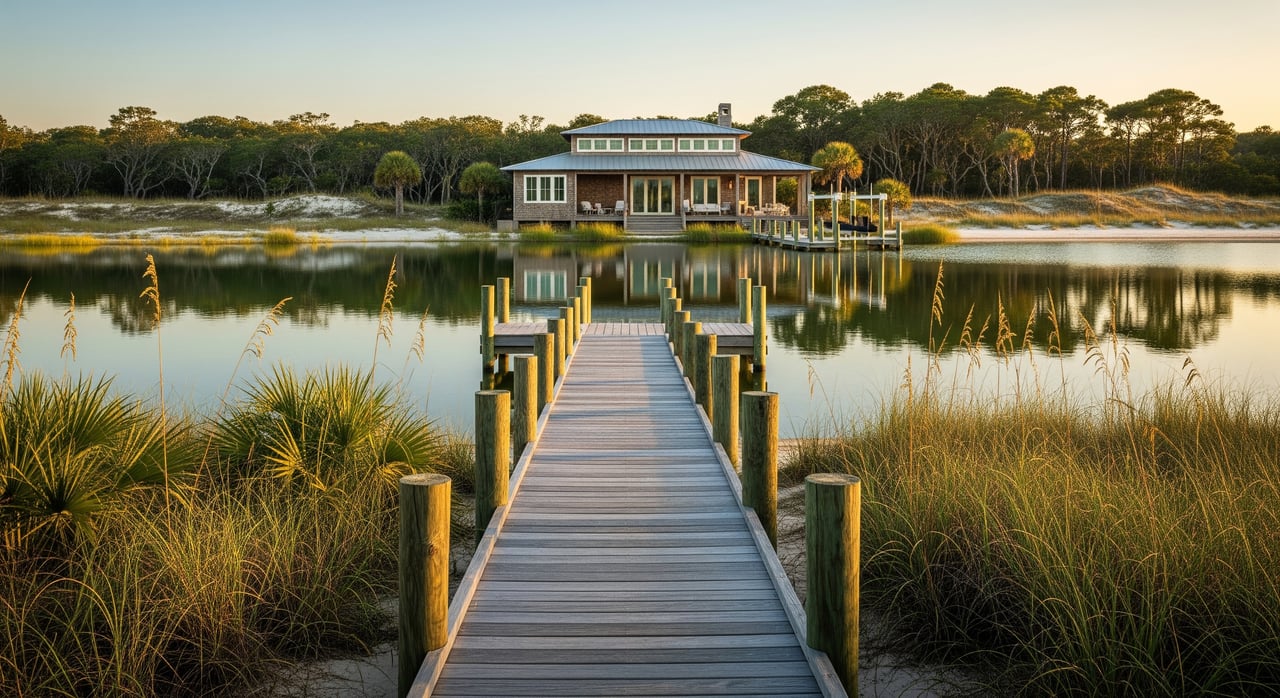
Dreaming of paddling calm, glassy water a few steps from powdery Gulf sand? If you are exploring Grayton Beach and the 30A corridor, coastal dune lakes are likely on your radar. You want the beauty, privacy, and convenience, and you also want clarity on access, rules, and risks before you buy. This guide explains how these rare lakes work, how they shape daily life in Grayton Beach, and what to verify during due diligence so you can choose a home with confidence. Let’s dive in.
What coastal dune lakes are
Coastal dune lakes are shallow water bodies tucked just behind the dunes along the Gulf. Freshwater from rain and groundwater fills them, and at times seawater mixes in after storms. They are separated from the Gulf by a sand barrier that can occasionally open during natural “breaching” events.
Rare coastal systems
These lakes are geographically uncommon worldwide. Northwest Florida’s 30A corridor is one of the few places in the United States where several dune lake systems occur in close proximity. Their rarity is part of their appeal and a big reason they are protected in many places.
Dynamic water and salinity
You will notice water levels and salinity shift through the year. Heavy rain raises lake levels and freshens the water. Significant storms can push seawater into a lake or briefly open a channel to the Gulf, which increases salinity and can lower the lake level. These shifts are normal and help shape the mix of plant and wildlife you see.
Why they matter
Dune lakes support a blend of freshwater and estuarine life, from fish and invertebrates to wading birds and wetland plants. They also help with groundwater recharge, storm buffering, and recreation like paddling and wildlife viewing. At the same time, they are sensitive to nutrient pollution, shoreline changes, invasive species, and shifts in hydrology.
Grayton Beach lake life
Grayton Beach offers a rare pairing of Gulf-front living and preserved dune-lake habitat. Grayton Beach State Park protects large stretches of dunes and lake shoreline, shaping the quiet, natural feel that buyers seek along 30A. Residential streets and state parklands sit side by side, so you can often reach a lake launch or a trail within a few minutes.
Recreation close to home
On most lakes, the common activities are simple and low-impact: paddleboarding, kayaking, shoreline fishing, and short nature walks. Many users choose non-motorized craft because the lakes are shallow and ecologically sensitive. Some lakes have small public access points or informal launch spots. Others are bordered by private land or sit fully inside state park boundaries.
Views, privacy, and practical tradeoffs
Lakefront settings can feel more secluded than the beach, with expansive views and frequent bird sightings. If a public access point sits nearby, peak-season parking and visitor activity can add bustle. Properties fronting a dune lake may prioritize calm-water recreation over direct Gulf access, while homes closer to the beach trade lake views for quick sand access. Decide which setting matches your daily routine.
Access and rules that shape use
Access is not uniform. Before you assume you can launch a kayak or drop a fishing line, verify the following:
- Whether the shoreline is inside a state park or on private property.
- Where public access points and parking are located, and if any permits or fees apply.
- Community or HOA covenants that limit docks, launching, or watercraft storage.
Motorized boating is often limited by lake size, depth, and sensitivity. Some neighborhoods also set clear rules to protect vegetation and maintain quiet. A quick call to a park office or a review of community documents can save headaches later.
Who manages and protects these lakes
Several agencies and groups coordinate management of coastal dune lakes in the Grayton Beach area:
- Florida Department of Environmental Protection oversees water quality programs.
- Florida State Parks manages Grayton Beach State Park and other public lands.
- Walton County handles planning, zoning, utilities, and shoreline buffers.
- Florida Fish and Wildlife Conservation Commission provides fisheries and wildlife guidance.
- Local watershed groups and nonprofits support monitoring, restoration, and education.
Management is collaborative. Agencies may adjust access, improve boardwalks or parking, or coordinate monitoring. Decisions about mechanically opening or leaving a lake inlet to breach naturally can involve environmental review and are handled case by case.
Common regulations buyers should expect
Setbacks and shoreline buffers are typical. They limit new construction and vegetation removal near the water to protect dune stability and water quality. Land-use rules influence development density, impervious surface limits, and stormwater requirements. In some places, conservation easements or park designations protect larger tracts entirely. Water quality is monitored by state and county programs, and advisories may appear if conditions warrant. Shoreline hardening, new bulkheads, or dock construction can face strict review or be disallowed.
Key risks to watch
Dune lakes can be sensitive to nutrient pollution from stormwater or failing septic systems. Invasive species and heavy foot traffic can degrade shorelines. Sea-level rise and strong storms can increase breaching frequency and salinity swings. These are not reasons to avoid buying near a lake, but they are reasons to learn how each specific lake behaves and how your property is regulated and serviced.
Buyer due diligence checklist
Use this list to focus your search and cover the essentials early in your process:
- Confirm legal access. Verify whether the lake by your target home has public access, private easement, or no access. Do not assume access based on proximity.
- Review HOA or community rules. Check covenants for limits on docks, launching, watercraft storage, and landscaping near the shoreline.
- Ask for water-quality info. Request recent monitoring results or advisories for the specific lake if you plan to swim or let kids play in the water.
- Evaluate flood risk. Order a flood zone determination and elevation certificate, then price out flood insurance options.
- Check utilities. Confirm whether the home is on sewer or septic and whether any septic-to-sewer conversions are planned for the area.
- Identify land-use limits. Review Walton County shoreline buffers, setbacks, and stormwater requirements, along with any conservation easements.
- Understand breaching history. Ask about recent breaching events and whether the lake has had notable algal blooms or fish kills.
Lifestyle fit: lake, beach, or both
Think about how you want to spend time when you are here:
- If you will paddle most mornings, prioritize a home with a confirmed launch route or easement to a specific lake.
- If daily Gulf time is essential, target properties with quick beach access and treat the lakes as a scenic bonus.
- If quiet and privacy matter most, consider homes where the lake shoreline is conserved or buffered, and where public access is limited or farther away.
There is no single “best” location along 30A. Your perfect choice balances launch convenience, beach proximity, neighborhood rules, and view corridors.
Environmental and health notes
Many owners paddle year-round and enjoy occasional swimming. Conditions vary by season, rainfall, and management. Check recent monitoring data before frequent swimming and have realistic expectations about water color and clarity, which can change after storms or breaching. If mosquitoes are a concern, contact local pest-control districts for current mitigation schedules and tips.
Flood, insurance, and storm planning
Homes near dune lakes and the Gulf can fall within FEMA flood zones. Flood insurance may be required by your lender and premiums can vary with elevation and building design. Ask for prior storm-loss history if available, review current building codes, and understand the home’s elevation relative to nearby water. Recognize that storms can temporarily alter shoreline appearance and access. Sound preparation, quality construction, and accurate insurance planning will help you protect your investment.
Market and value context
Properties with water views or direct proximity to a dune lake often command a premium. Values reflect view quality, access clarity, neighborhood rules, and the presence of protected lands that preserve long-term scenery. Setbacks and environmental constraints can limit expansion or hardscape additions. While these constraints can add cost or complexity, they also help maintain the character that draws buyers to Grayton Beach and the 30A corridor.
Putting it all together
A coastal dune lake home offers a distinct lifestyle: sunrise paddles, birds skimming the water, and a quieter counterpart to the Gulf. To make a wise purchase, confirm access and rules, study flood and utility details, and learn the rhythm of the specific lake you are buying near. When you align your lifestyle goals with smart due diligence, you will enjoy the rare blend of lake and beach that defines Grayton Beach.
Ready to explore homes that pair dune lake beauty with beach access and neighborhood fit? Connect with a local advisor who knows the shorelines, the rules, and the market patterns that impact long-term value. Elevate your search with the boutique guidance of The Richards Group.
FAQs
What is a coastal dune lake near 30A?
- A shallow lake behind coastal dunes where freshwater and seawater can mix. Water levels and salinity change with rainfall and storms.
How do storms affect Grayton Beach lakes?
- Strong storms can breach the sandbar, raise salinity, and lower water levels. Shorelines and access can look different for a time after major events.
Can I launch a kayak on any dune lake?
- Not always. Some lakes have public access or park launches, and others are bordered by private land. Confirm access and any permits or HOA rules.
Are dune lakes safe for swimming?
- Many people paddle and occasionally swim, but conditions vary. Check recent monitoring results or advisories before frequent swimming.
Will living near a dune lake raise insurance costs?
- It can. Properties near lakes and the Gulf may sit in FEMA flood zones. Get an elevation certificate and price policies during due diligence.
Can I build a dock or harden the shoreline?
- Docks and shoreline hardening are often restricted. Expect setbacks and buffer rules, and review local regulations before planning improvements.
