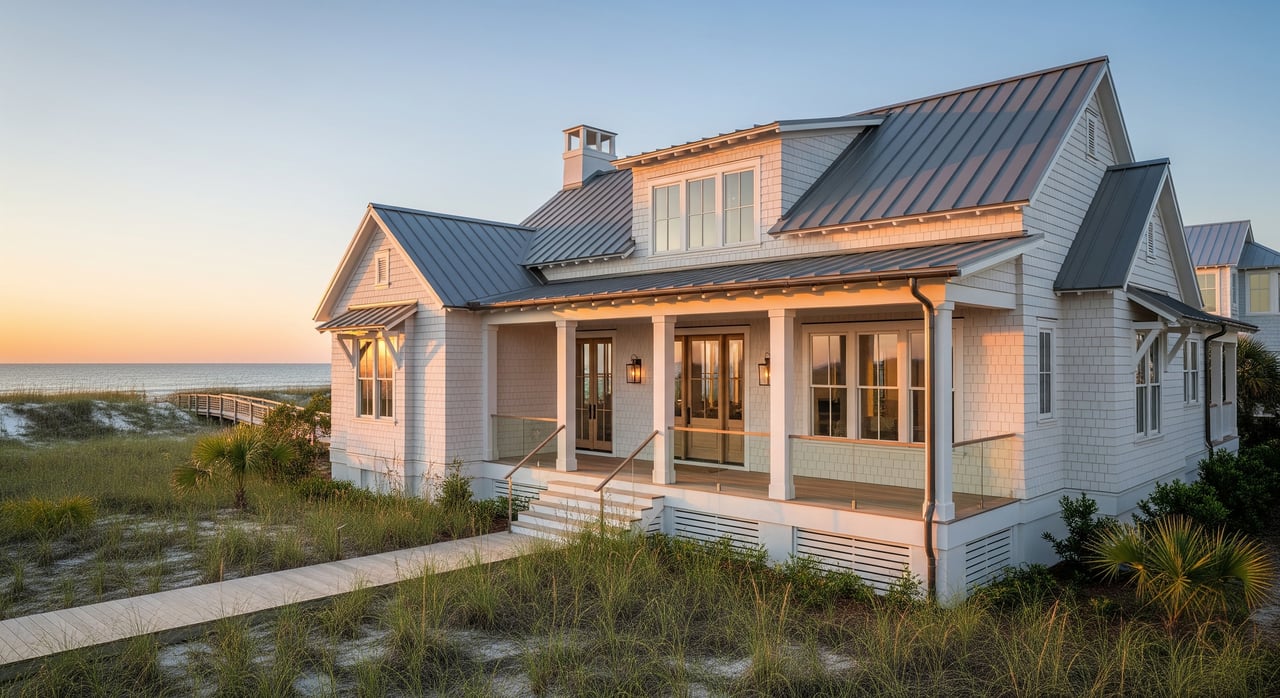
Thinking about selling in Dune Allen and wondering what really pays off before you list? You are not alone. Many 30A sellers want the best return with the least hassle, especially if they live out of town or manage a rental calendar. In this guide, you will learn how Compass Concierge works, which projects move the needle in west 30A, and how to sequence updates for the strongest ROI with realistic timelines and local permitting in mind. Let’s dive in.
How Compass Concierge works
Compass Concierge is a listing program that fronts the cost of pre-sale improvements so you do not pay out of pocket before you sell. You repay the amount at closing from your proceeds, typically as a line item on the closing statement. There are no monthly payments since repayment happens at closing.
You must list with Compass to use the program, and local caps and rules can vary by office. Your agent proposes a tailored plan, coordinates approved vendors, manages scheduling, and submits invoices to Concierge for payment. The focus is on cosmetic and mid-level updates that speed time to market and elevate presentation. Large structural work is reviewed case by case and must follow Walton County permitting.
Why it pays off in Dune Allen
Buyers in west 30A respond to bright, turnkey spaces, durable coastal finishes, and inviting outdoor areas. Many are second-home buyers or investors who want low-maintenance materials that hold up to salt air and humidity. Clean lines, fresh paint, updated lighting, and staged outdoor living spaces often translate into stronger offers and fewer days on market.
In competitive price bands, presentation is a differentiator. A home that looks move-in ready with minimal deferred maintenance earns more attention online and in person. That is where targeted Concierge projects shine.
Projects that deliver in west 30A
Below are common Concierge projects for Dune Allen homes. Each includes why it helps, rough timelines, permitting notes, and a quick ROI snapshot. Your exact results depend on price point, execution quality, and market timing.
Interior paint, deep clean, declutter
- Why it helps: A fresh neutral palette amplifies coastal light and photographs beautifully. Decluttering and a deep clean set a high standard from the first showing.
- Typical timeline: 1 to 2 weeks for a full interior.
- Permits: None.
- ROI snapshot: High relative return. Interior paint and cleaning often recoup most or all of cost through stronger offers and faster sales.
Staging for key rooms and outdoor areas
- Why it helps: Staging sells the lifestyle, which is central on 30A. It helps buyers visualize how spaces live, inside and out.
- Typical timeline: 1 to 3 days for delivery and setup.
- Permits: None.
- ROI snapshot: Often reduces days on market and can lift sale price. Impact varies by segment, but is strong in lifestyle markets like 30A.
Kitchen refresh without full remodel
- Why it helps: Kitchens drive decisions. Cosmetic upgrades such as painted or refaced cabinets, new hardware, modern lighting, and fresh countertops create a current look.
- Typical timeline: 1 to 3 weeks depending on materials and trades.
- Permits: Cosmetic work typically does not need permits. Electrical or plumbing changes may require licensed trades and county permits.
- ROI snapshot: Solid. Minor kitchen projects commonly recoup a large share of cost and boost marketability.
Bathroom refresh with targeted updates
- Why it helps: Clean, updated baths signal low maintenance. New vanities, fixtures, mirrors, and selective tile refreshes create impact without full demo.
- Typical timeline: 1 to 3 weeks.
- Permits: Plumbing work may require permits. Verify scope with your agent and contractors.
- ROI snapshot: Comparable to kitchens. Mid-range bath updates often recover a majority of cost while improving buyer confidence.
Durable coastal flooring
- Why it helps: Flooring sets the tone from the first step. Engineered hardwood and luxury vinyl plank are popular for water resistance and durability.
- Typical timeline: 1 to 2 weeks for most homes.
- Permits: None for standard replacements.
- ROI snapshot: Good. New, durable floors improve photos, eliminate objections, and support higher offers.
Curb appeal and landscaping
- Why it helps: First impressions are decisive. Fresh exterior paint, dune-friendly plantings, improved lighting, and a tidy drive signal care and quality.
- Typical timeline: 1 to 3 weeks based on scope.
- Permits: Exterior work near dunes or sensitive areas may need environmental review. Confirm early with your agent and vendors.
- ROI snapshot: High perceived return. Modest spend often produces outsized impact.
Outdoor living upgrades
- Why it helps: Outdoor spaces are a signature of 30A living. Refreshing decks or porches, adding stylish furnishings, and simple outdoor kitchens highlight everyday use.
- Typical timeline: A few days to several weeks, depending on scope.
- Permits: Structural deck changes and additions usually need permits and must meet coastal codes. Cosmetic upgrades generally do not.
- ROI snapshot: Very good when executed cleanly. Enhances perceived living area and lifestyle appeal.
Resilience items: impact windows, roof, HVAC
- Why it helps: Storm readiness and low deferred maintenance matter in coastal Florida. These items can lower buyer risk and help with insurance.
- Typical timeline: Several weeks to months due to permits, materials, and inspections.
- Permits: Required under Florida Building Code and Walton County rules.
- ROI snapshot: Dollar recapture can be lower than cosmetic projects. Strategic value is high since these upgrades reduce objections and may shorten time to contract.
Smart sequencing for quick results
Use this practical order if you want maximum impact with minimal hassle:
- Clean, declutter, and paint interiors in a neutral palette.
- Stage key rooms and outdoor areas for lifestyle-driven photos.
- Replace worn flooring and update lighting for a modern, cohesive look.
- Refresh kitchens and baths with cosmetic upgrades if budget allows.
- Boost curb appeal with exterior touch-ups and dune-compatible landscaping.
- Tackle resilience items if they remove inspection hurdles or are required.
What to expect in Walton County
Walton County follows Florida Building Code. Anything structural, roofing, windows, or significant electrical or plumbing typically requires permits and inspections. Projects near dunes or sensitive coastal zones may involve additional environmental rules. Permit lead times and weather can affect schedules, so build in buffer. Vendors experienced with coastal materials and impact-rated products help avoid delays.
Concierge projects that avoid permits, like paint, staging, flooring, and cosmetic fixture swaps, usually move from approval to photography in 1 to 4 weeks. Mid-level interior refreshes often take 2 to 6 weeks. Permitted exterior or structural work can take 4 to 12 weeks or more.
Concierge vs alternatives
- Concierge advantages: No upfront cash. Interest-free repayment at closing. Vendor coordination and project oversight. Helpful for absentee owners and busy timelines.
- Concierge considerations: You must list with Compass. The reimbursed amount reduces your net proceeds at closing. Larger structural work can extend timelines and may be limited by program rules.
- Alternatives: Pay cash for full control. Use a HELOC or personal loan if you prefer independent financing, but interest applies. Offer buyer credits instead of improvements, though credits often lead to lower offers.
Is Concierge worth it for your Dune Allen home?
Look at two lenses. First is dollar recapture in the sale price. Second is marketability, which includes fewer days on market and stronger negotiation leverage. In west 30A, marketability often carries outsized value. Buyers respond to bright, turnkey spaces and polished outdoor living. That means low-cost cosmetic updates and staging tend to deliver the best near-term return. Larger resilience projects can still be smart when they remove roadblocks that would otherwise limit your buyer pool.
If you want to accelerate your timeline, present a cohesive lifestyle, and keep cash in hand before closing, Concierge can be a strong fit. Ask your agent for an itemized scope, realistic timeline, and examples of recent local results.
Ready to position your Dune Allen property for top-dollar results with less stress? Talk with The Richards Group about a tailored Compass Concierge plan, staging direction, and brokerage-level marketing that meets the 30A standard. Connect with The Richards Group to get started.
FAQs
How does Compass Concierge repayment work at closing?
- You repay the approved Concierge amount from your sale proceeds as a line item on the closing statement, with no monthly payments prior to closing.
Which updates usually deliver the best ROI in Dune Allen?
- Interior paint, strategic staging, durable flooring, minor kitchen and bath refreshes, and curb appeal improvements typically produce strong value.
Do I need permits for my 30A pre-sale projects?
- Cosmetic work such as paint, staging, and flooring usually does not. Structural changes, roofing, impact windows, or significant electrical or plumbing often require Walton County permits.
How long do Concierge projects take before listing photos?
- Cosmetic and staging projects often complete in 1 to 4 weeks. Mid-level refreshes take 2 to 6 weeks. Permitted or structural work can run 4 to 12 weeks or more.
Can I use Compass Concierge if I live out of state or have a rental calendar?
- Yes. Concierge coordination is helpful for absentee owners and can be scheduled around rental bookings to keep disruption low.
What types of projects are not typically covered by Concierge?
- Large structural additions, substantial rebuilds, or work that triggers long permitting timelines may be limited or require special approval. Confirm your scope with your agent.
How do I choose between doing upgrades or offering a buyer credit?
- Credits are simpler but often lead to lower offers. Targeted pre-sale improvements can improve photos, widen the buyer pool, and increase leverage in negotiations.
