You scroll 30A listings and see “gulf‑front,” “gulf‑view,” and “deeded beach access,” but what do those really mean in Miramar Beach? If you’re weighing lifestyle, rental potential, and long‑term value, small wording differences can lead to big price and experience differences. In this guide, you’ll learn the practical definitions, how each affects price, privacy, and rentals, and what to verify before you make an offer. Let’s dive in.
What each term really means
Gulf‑front
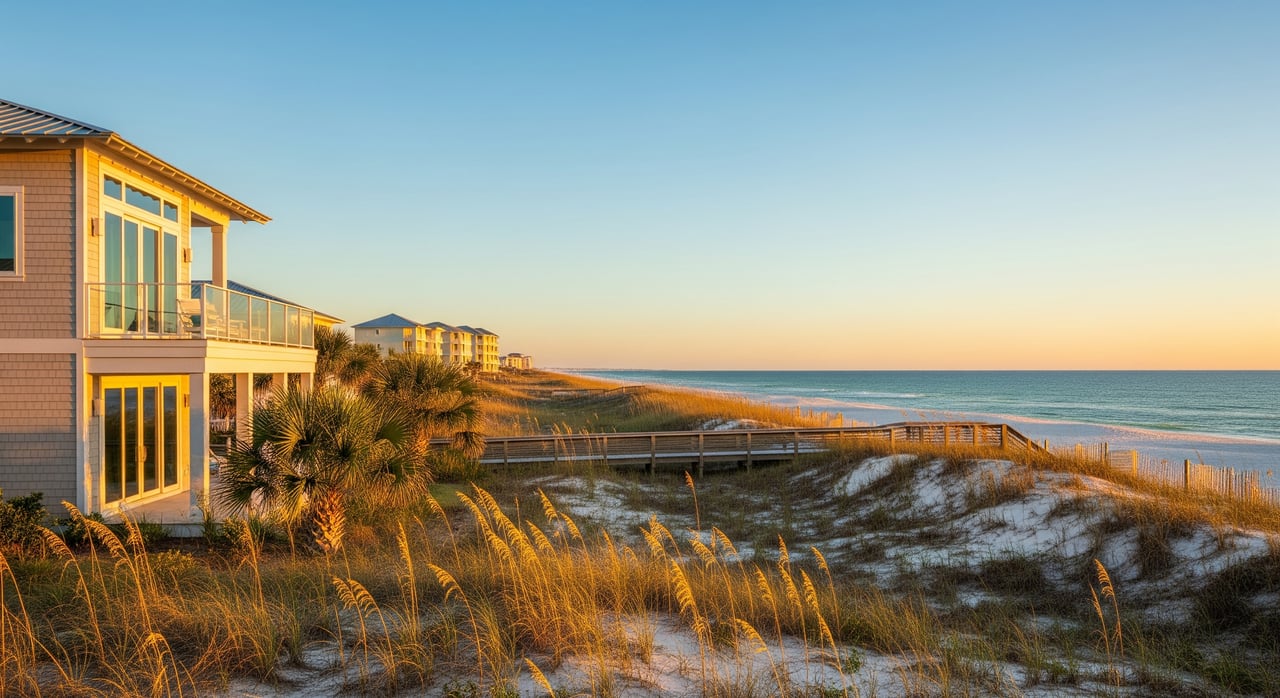
Gulf‑front means your property directly borders the Gulf of Mexico or the dry sand beach immediately in front of it. There is no other land between your structure and the beach. In Florida, public trust rules usually protect the wet sand and submerged lands seaward of the mean high water line. That means you can own land up to that line, but the beach and water beyond are generally public.
What to expect: the closest possible access and market‑leading desirability for vacation renters. Also expect higher exposure to wind, salt, and storm risk, and more complex coastal rules for improvements and rebuilding.
Gulf‑view
A gulf‑view property does not touch the beach, but you can see the water from the home or unit. On 30A, views range from wide, unobstructed panoramas to “peek‑a‑boo” looks between buildings or dunes. The value of a view depends on how clear it is, how permanent it feels, and how close you are to the shoreline.
What to expect: sensible pricing compared with gulf‑front, and meaningful rental appeal if the view is strong and amenities are solid.
Deeded beach access
Deeded beach access is a recorded right in the deed or plat that lets you use a specific route to the beach. It can be exclusive to one property or shared across a subdivision or association. Deeded access is not the same as owning the sand. It is the right to cross to the beach using a defined path or walkover.
What to expect: convenience that renters and owners love, often with less cost and risk than direct frontage. Read the recorded language to learn if the access is private or shared and where it terminates.
Public vs private access
Walton County records and maintains public beach access points, which connect public roads or parking to the beach. A private or deeded access may offer a shorter route and less crowding, but it does not guarantee exclusive use of the sand below the mean high water line.
How location impacts price and value
The market usually prices these features in a clear order: inland, then gulf‑view, then deeded access, then gulf‑front at the top. Exact premiums vary by micro‑location on 30A, building age, amenities, and rental performance history. In Miramar Beach and nearby communities like Seaside and Rosemary Beach, supply is tight for true gulf‑front parcels, which supports higher prices.
Key pricing drivers on 30A:
- Directness of access. Short, private walkovers, on‑site parking, and proximity to your door increase value.
- View quality. Unobstructed panoramas are worth more than partial or seasonal views.
- Supply constraints. There are only so many gulf‑front lots, and zoning or setback rules can limit redevelopment.
- Insurance and hazard risk. Gulf‑front often sits in higher FEMA risk zones and can cost more to insure and maintain.
- Building and HOA costs. Salt exposure, storm repairs, dune stabilization, and coastal construction rules can increase ownership costs for gulf‑front buildings.
- Rental history. Proven nightly rates and occupancy make buyers more confident and support stronger pricing.
Rental appeal in Miramar Beach
For short‑term rentals, gulf‑front listings typically command the highest average daily rate and attract strong seasonal occupancy. That said, many renters value convenience just as much as literal frontage. Deeded access with a short, private walkover can perform nearly as well for a wide range of guests. Gulf‑view units can capture strong shoulder‑season demand if the view is compelling and the property offers quality amenities. For accurate projections, pair local MLS comps with short‑term rental analytics and manager quotes by micro‑neighborhood.
Privacy and beach use realities
Owning gulf‑front does not guarantee exclusive beach space. In Florida, the area seaward of the mean high water line is often public. That means beachgoers can be in front of your home during peak season. Deeded access can improve privacy by limiting who uses the path, but sand use rules still apply.
What to look for on 30A:
- Walkover details. Stairs vs ramp, width, condition, and whether the access is shared with neighbors or an HOA.
- Parking near access. Street‑parking limits on 30A can affect convenience for owners and guests.
- ADA considerations. If accessibility matters, confirm ramps and grades rather than stairs.
- Dune height and vegetation. Dunes can protect your home and also affect view lines and walkover length.
- Seasonal restrictions. Turtle‑nesting season brings lighting and access rules that may affect night use.
Flood, insurance, and coastal permitting
Before you buy, confirm the flood zone, expected insurance costs, and whether coastal construction limits apply. Gulf‑front properties often fall within higher risk zones and require more robust, and sometimes more expensive, coverage. Use the following resources during diligence:
- Check your flood panel at the FEMA Flood Map Service Center.
- Understand coastal setbacks and permitting under the Florida Department of Environmental Protection’s Coastal Construction Control Line program.
These programs influence what you can build, where you can place stairs or walkovers, and how you must restore or protect dunes after storms.
Buyer due‑diligence checklist for 30A
Title and recorded documents
- Request the recorded deed, plat, and any access easements. Confirm if access is exclusive or shared and where it terminates.
- Verify property lines and how they relate to the mean high water line.
Survey and site verification
- Order a current survey to confirm boundaries relative to dunes, walkovers, neighboring stairs, and any public access.
- Check for encroachments and maintenance agreements tied to access structures.
Flood, insurance, and hazard review
- Confirm FEMA flood zone and base flood elevation, and get wind and flood insurance quotes from local carriers.
- Ask about prior storm damage, dune work, and any special assessments for restoration projects.
HOA or condo documents
- Review CC&Rs for beach access rules, guest parking limits, short‑term rental caps, and management agreements.
- Confirm how access easements are owned or shared across the association.
Zoning and permitting
- Verify coastal setback lines, height limits, and any required approvals for renovations, additions, or new walkovers.
Rental performance and comps
- Pull recent MLS comps for gulf‑front, deeded access, and gulf‑view properties in Miramar Beach and nearby 30A communities.
- Ask local rental managers for ADR and occupancy expectations for similar homes or buildings.
On‑site inspection items
- Evaluate sight lines from each level to confirm whether views are unobstructed or seasonal.
- Inspect the walkover’s condition, distance, and any HOA or public access nearby.
- Confirm parking availability and proximity to restaurants, grocery, and public parking.
- Note turtle‑season lighting rules and other seasonal restrictions posted on‑site.
Questions for the listing agent
- Is there a recorded deeded access or easement? Can you share the recorded instrument number?
- What flood zone is the structure in and when was the elevation last verified?
- Are dune restoration or public works projects planned that could change the beach profile or walkover length?
- Are there any special assessments or pending litigation that could affect costs?
Which option fits your goals
If you want the rarest lifestyle experience and top rental visibility, gulf‑front delivers. Expect higher insurance and maintenance, plus more rigorous coastal rules. If you want easy beach days with a stronger value story, deeded access is a smart middle path that renters appreciate. If you prioritize view, amenities, and a more measured budget, a true gulf‑view home or condo can check all the boxes.
Your best choice depends on how you plan to use the property and your target numbers. The most reliable approach is to compare recent local comps and pair them with rental projections for your specific building or street. A few blocks on 30A can change rates, rules, and risk profiles.
Ready to weigh view quality against access, or rentals against holding costs? The Richards Group can curate a short list and supply the recorded documents, flood and insurance estimates, comp sets, and rental manager quotes you need to buy with confidence. Elevate your 30A experience by connecting with The Richards Group.
FAQs
What does “deeded beach access” mean in Miramar Beach?
- It is a recorded right to use a specific route to the beach that may be exclusive or shared; it is not the same as owning the beach itself.
Does gulf‑front ownership include the wet sand and water?
- No. In Florida, the area seaward of the mean high water line is typically public, so beachgoers may be in front of gulf‑front homes.
Are gulf‑front homes more expensive to insure on 30A?
- Often yes. Gulf‑front properties tend to sit in higher FEMA risk zones and can require higher flood and wind coverage.
Can deeded access perform well as a vacation rental?
- Yes. Many guests prioritize a short, private walk to the beach, so deeded access can compete closely with gulf‑front on occupancy and guest satisfaction.
How do dunes or beach nourishment impact access and views?
- Dune restoration and nourishment can change beach profiles and walkover length and may bring temporary restrictions or special assessments.
What should I verify before offering on a “gulf‑view” listing?
- Confirm whether views are obstructed or seasonal, check HOA rules, review flood and insurance details, and verify distance to the nearest access.
