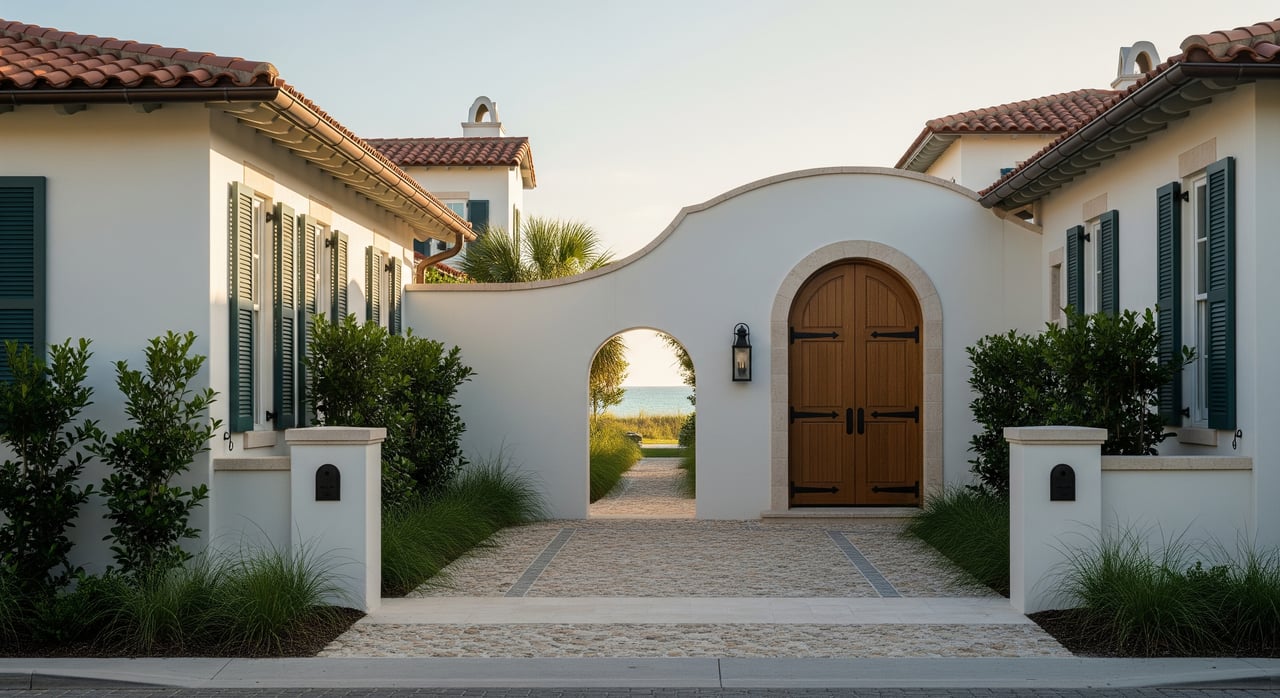
Buying or building in Alys Beach comes with a beautiful promise and clear rules. The same design standards that make the community feel timeless are maintained by the HOA and its Architectural Review Committee (ARC). If you love the look and lifestyle here, understanding those rules will help you avoid delays, surprise costs, and frustrating do-overs. In this guide, you’ll learn what the ARC regulates, how approvals work, what to budget and when, and the due diligence steps that keep your project on track. Let’s dive in.
Alys Beach HOA and ARC basics
Alys Beach is a master-planned, design-forward community along 30A with a distinct architectural identity. The HOA and its ARC enforce recorded covenants, design guidelines, and procedures to protect that look and feel. You should expect more prescriptive standards and stricter enforcement than in a typical neighborhood. Before you buy or begin design work, review the official Declaration, Design Guidelines, and ARC application procedures.
What gets regulated in Alys Beach
Architecture and massing
The ARC typically regulates building envelope, setbacks, heights, roof forms, and proportions. These rules shape what you can build, how it fits the lot, and your interior square footage. Be ready for design iterations to meet massing requirements.
Exterior materials and colors
Expect specific exterior materials and finish standards, often including a tightly defined palette. Trim details, siding, roofing materials and colors, and visible hardware are commonly controlled. Substitute materials are often not allowed and can increase costs if changed midstream.
Windows, doors, and openings
Window sizes, muntin patterns, door styles, garage door designs, and visible hardware are usually reviewed. Changes from typical profiles often need ARC approval and may involve custom details. Plan for submittals if you want nonstandard openings or privacy screening.
Landscaping and site elements
Planting palettes, tree protection, lawn-to-hardscape ratios, driveways and pavers, and retaining walls are often regulated. Standards favor high-quality, durable solutions and proper maintenance. Landscape choices and installation methods can affect both upfront and ongoing costs.
Pools, fences, and decks
Pool siting, privacy walls, fence types and heights, and screening are commonly controlled. Placement rules can affect usable yard area and may require added engineering. Bring pool and deck concepts into your early ARC conversation.
Lighting and signage
Fixture style, color temperature, and shielding are often specified to preserve the community character and protect night skies. Address signage and holiday displays may also be regulated. Expect to submit fixture cuts and photometrics when required.
Utilities and service areas
You will likely need to screen HVAC units, generators, trash enclosures, dishes, and EV chargers from view. These details can impact layout and coordination. Plan early so mechanicals integrate cleanly into architecture and landscape.
Temporary construction standards
Construction staging, debris management, working hours, site protection, and contractor identification are typically enforced. These rules help neighbors and the public realm during construction. They can add contractor costs and require deposits or specific insurance.
Rentals and use rules
Short-term rental standards, guest registration, owner occupancy, and parking rules may apply. If rental income is part of your plan, confirm the current rules in the recorded documents. Rules can affect yield and how you schedule bookings.
How ARC approval works
Typical workflow
- Pre-submittal consultation: Meet with ARC staff to confirm direction and required materials.
- Formal application: Submit site plan, elevations, materials and color samples, landscape and lighting plans, and any engineered reports.
- ARC review: The committee checks compliance with recorded design guidelines and may request revisions.
- Conditions and approval: Approvals often include conditions on construction details, bonds, and inspections.
- Construction and inspections: Staged inspections and a final sign-off are common before closeout.
What to submit
- Scaled site plan and floor plans
- Elevations with material callouts
- Landscape plan with species list and installation details
- Lighting and exterior fixture details
- Contractor registration and construction logistics plan
- Product samples and color chips
- Engineers’ reports for grading or drainage if required
Timelines to expect
- Pre-submittal meeting: plan 1-4 weeks to schedule.
- Initial ARC review: typically 2-6 weeks for completeness and comments.
- Revisions: often 1-4 weeks per cycle.
- Total ARC approval: many projects run 4-12 weeks, longer if complex or if major revisions are needed.
- County permits: Walton County review can be 4-12+ weeks depending on scope and backlog.
Always confirm actual review periods in the Alys Beach documents, especially if a specific deadline applies.
Fees and deposits
- Application and review fees: often 250-2,000 dollars depending on project complexity.
- Landscape or construction escrows: commonly 1,000 to 20,000+ dollars in higher-value communities.
- Fines and admin fees: amounts vary and can escalate for repeated violations.
- Professional review fees: costs for outside consultants may be passed through to the owner.
Exact amounts vary by project. Request a current fee schedule before you submit.
Enforcement basics
Associations can use administrative fines and late fees, issue stop-work directives, and suspend amenity or voting rights where authorized. Unpaid fines or corrective costs may become assessment liens, with the potential for foreclosure if unpaid. Associations can also seek injunctive relief or remediate noncompliant work at the owner’s expense.
County permits vs ARC
ARC approval and county permitting are separate. ARC reviews covenant and design compliance, while the county focuses on building code. You will likely need both approvals, and ARC revisions may require you to update permit plans.
Budget and schedule impacts
Where costs add up
- Design fees: Architects experienced with Alys Beach often charge premium rates for higher documentation standards and added iterations.
- Material premiums: Specified stucco systems, masonry, custom fixtures, and pavers can cost more than generic alternatives.
- Escrows and deposits: Construction and landscape deposits can tie up cash during the build.
- Revisions and rework: Designing without pre-approvals can lead to costly changes mid-construction.
- Long-lead items: Custom windows, doors, and fixtures may extend your schedule.
- Maintenance: Ongoing landscape and exterior care can raise annual costs.
A conservative planning approach is to add a 10-20 percent contingency to design and construction budgets to cover ARC-driven requirements and long-lead materials. Adjust based on your project scope and risk.
Timeline planning tips
- Build ARC review cycles into your pre-permit schedule.
- Allow time for fabricating and approving samples, especially for exterior materials and fixtures.
- If ARC changes come after permit submittal, plan for resubmittals and added permit time.
- Confirm construction-hour limits and site rules that may slow production.
Team selection
Choose architects and contractors with successful work in Alys Beach or similar design-controlled communities. Experienced teams reduce review cycles and detail misses. Engage landscape and lighting designers early, and confirm licensure, insurance, and any association contractor registration.
Due diligence checklist
Before you make an offer
- Read the recorded Declaration, CCRs, Bylaws, Rules and Regulations, and the Design Guidelines.
- Request HOA meeting minutes for the past 12 months to spot upcoming rule changes or enforcement trends.
- Ask for an estoppel or HOA disclosure that confirms assessments, fines, pending violations, and transfer fees.
- Obtain any previously approved plans for the lot or home, plus maintenance and repair records.
- Confirm rental and parking rules if you plan to rent the property.
After you go under contract
- Schedule a pre-submittal consultation with the ARC or architectural administrator.
- Retain an architect with documented experience in Alys Beach or similar communities.
- Prepare a complete application set to avoid delays.
- Request a line-item list of all association fees, deposits, and typical escrows tied to construction.
- Build a timeline that sequences ARC approval, county permitting, and contractor mobilization with review contingencies.
During construction
- Follow construction rules on staging, debris control, permitted hours, and contractor identification.
- Coordinate ARC inspections and final sign-off before requesting release of deposits.
- Keep organized records of approvals, submittals, and inspections for future resale.
Smart buyer scenarios
Planning a new pool
In many design-controlled communities, pool location, privacy walls, and fencing are tightly reviewed. If your lot is compact, pool siting and required screening can change your yard layout and may call for extra engineering. Bring a concept sketch and grading plan to your pre-submittal meeting to confirm a viable path before you finalize design.
Changing window or door styles
Windows and doors often have size, pattern, and profile standards. If you want a custom door or nonstandard muntin pattern, expect to submit detailed elevations, sections, and samples. Plan for added lead times if a custom product is needed to meet the guidelines.
Upgrading exterior lighting
Fixture style, color temperature, and shielding are common requirements. Be ready to provide cut sheets and photometric data if requested. Getting lighting right early helps avoid rework and extra site visits later.
Move forward with confidence
Alys Beach’s standards protect the character that drew you here. With a clear plan for ARC approvals, a realistic schedule, and the right budget cushion, you can bring your vision to life without unnecessary detours. If you want guidance on timing a purchase, reviewing documents, or sequencing your approvals, we are here to help. Start a conversation with The Richards Group to align your Alys Beach goals with a smooth, well-planned process.
FAQs
Can the ARC deny a design in Alys Beach?
- Yes. The ARC enforces recorded standards in the covenants and design guidelines, and it can require revisions or deny proposals that do not comply.
How long does Alys Beach ARC approval take?
- Initial reviews often take 2-6 weeks, with 1-4 weeks per revision cycle; total approvals commonly run 4-12 weeks depending on complexity.
What happens if you build without ARC approval?
- You may face fines, stop-work directives, required corrective work, and potential liens; repeated noncompliance can escalate to legal action.
Does ARC approval replace Walton County permits?
- No. ARC approval is separate from county permitting, and most projects need both; ARC changes may require permit plan updates.
How can you see a lot’s prior approvals?
- Ask the seller or association for previously approved plans and records; these documents show what the ARC has accepted for that property.
