You fell in love with 30A and now you’re choosing between Seagrove and Seaside for your first home. Both give you sugar‑white sand and emerald water, but the day‑to‑day feel, price points, and rental dynamics are different. In this guide, you’ll learn how the two neighborhoods compare on walkability, architecture, pricing, and short‑term rental rules so you can match your goals to the right address. Let’s dive in.
Quick take: Seagrove vs Seaside
- If you want a compact, highly walkable village where you can stroll to shops and events, Seaside is the clear fit. Seaside’s walkable town center is part of its original plan.
- If you prefer a laid‑back Old Florida vibe with tree‑lined streets and a broader mix of condos and cottages, look at Seagrove. Visit South Walton’s Seagrove guide highlights its classic coastal character.
- Prices in both areas vary by proximity to the Gulf and product type. Seaside generally commands higher premiums for village proximity and design consistency, while Seagrove offers more entry points through condos and diverse cottage inventory.
- For short‑term rentals, Seaside often achieves higher nightly rates, while Seagrove’s wider inventory can see steadier occupancy. Always run property‑specific comps before you buy.
Lifestyle and walkability
Seaside’s village rhythm
Seaside was master planned for pedestrians. Many cottages sit a brief walk from the town square, amphitheater, restaurants, and the beach. If your perfect day is coffee, beach, and dinner without getting in the car, Seaside fits that lifestyle. Seaside’s official site outlines the town layout and events that keep the center lively.
Seagrove’s classic coastal feel
Seagrove’s daily life feels more residential and relaxed. You’ll find pockets where you can walk or bike to beach accesses along 30A, but the neighborhood is more spread out overall. Specific blocks near designated beach walkovers feel very convenient. The Seagrove neighborhood overview captures this laid‑back pace.
Architecture and scale
Seaside’s curated design
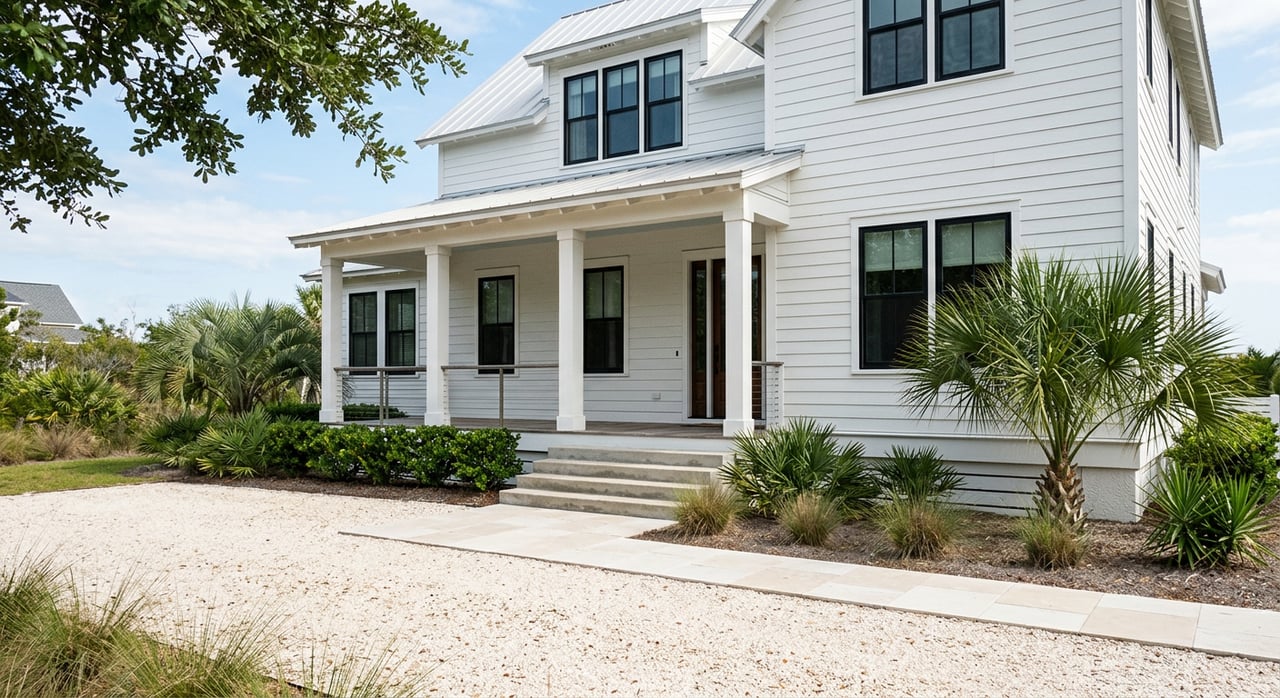
Seaside showcases New Urbanist architecture with pastel cottages, porches, and close house‑to‑street orientation. Community guidelines help maintain a cohesive look and village scale.
Seagrove’s “Old Florida” mix
Seagrove blends older cottages under live oaks, small condo buildings, and modern infill. If you are considering renovation or new construction in historic pockets, study the Old Seagrove Neighborhood Plan. It preserves cottage scale with standards like typical front and side setbacks, a 40‑foot height limit, and bedroom caps for new STR‑oriented builds. These rules protect neighborhood character and affect what you can build.
Price and property types
You will see a wide range of options in both neighborhoods, from efficient condos to gulf‑front residences.
- Seagrove: Entry‑level condos can create a more attainable path into 30A ownership. Larger condos and custom homes reach into the multi‑million range, especially with gulf views or prime locations.
- Seaside: Cottages near the town center and gulf access often list in the multi‑million range, reflecting scarcity and walkability premiums.
- Regional context: Zillow’s Home Value Index for Santa Rosa Beach sat near 848,079 dollars as of January 31, 2026. Use this only as broad context because it blends inland homes, condos, and gulf‑front properties. Your target block and product type matter more than any single median.
Tip: Ask for same‑street or nearest‑block comps for the past 6 to 12 months, segmented by property type. Pricing and performance vary dramatically by proximity to the Gulf, amenities, and whether an HOA or design code applies.
Short‑term rental potential
What performance data suggests
Third‑party analytics show Seaside often achieves higher average daily rates compared with the broader Santa Rosa Beach set, though occupancy can be lower for some property types. The wider Santa Rosa Beach inventory, which includes many Seagrove condos and cottages, has lower ADR on average with occupancy that can be steadier. Review AirROI market snapshots to frame expectations, then drill down to property‑level comps before buying.
Costs you should model
Budget realistically for management and operations. Local management fees commonly sit in the 20 to 35 percent range, and you will also need to factor cleaning, supplies, utilities, insurance, platform fees, and local taxes. Regional reports note that top‑positioned cottages or condos can gross 50,000 to 150,000 dollars or more in peak‑friendly setups, but results vary widely by size, proximity to the beach or town center, amenities, and marketing. Use ranges from 30A market trend pieces as a starting point only.
Rules that shape your plan
County STR registration
If you plan to rent for under 30 days, Walton County requires an annual short‑term vacation rental certificate. You will need a Florida DBPR lodging license and tax registrations before you apply. The Walton County Vacation Rental Registration Program outlines fees, required sketches, posting rules, and enforcement. Operating without a valid registration can trigger fines.
HOA and Seaside governance
Community covenants can add rules on design, rentals, and use. Seaside’s private community standards and design expectations sit on top of county rules, so you should review governing documents and approval processes before writing offers.
Old Seagrove overlay specifics
If your target is inside Old Seagrove, the overlay controls setbacks, height, and elements tied to neighborhood scale. The Old Seagrove Neighborhood Plan also includes limits on new STR‑oriented bedroom counts to discourage oversize builds. These are practical constraints that affect renovation scope and future value.
Taxes and safety checks
Short‑term rentals owe Florida sales tax plus Walton County’s Tourist Development Tax. Platforms may or may not remit all taxes for you, so confirm registrations and filing responsibilities. If the building is multi‑story or has balconies, review state safety inspection needs. County resources and FAQs link to the relevant state and FEMA materials.
Which is right for you?
Choose Seagrove if you want
- A quiet, classic coastal feel with shady streets and pockets of walkability.
- More entry points through condos and diverse cottage options.
- Flexibility to target larger inland lots in some areas, while still staying near beach accesses.
Choose Seaside if you want
- A pedestrian‑first lifestyle with consistent walkability to dining, events, and amenities.
- A curated architectural environment with strong design consistency.
- The potential for premium nightly rates tied to village proximity, assuming a strong marketing and pricing strategy.
Investment lens
- Seagrove can work well if you value a lower entry price, prefer condo ownership, or want broader year‑round demand across unit sizes. Do not assume rental use is allowed. Verify county registration requirements and any HOA limitations first.
- Seaside can shine for owners who will pay for proximity and then optimize premium weeks with professional management and dynamic pricing. Always confirm HOA and community rental policies up front.
Due‑diligence checklist
Use this step‑by‑step list to protect your timeline and budget:
- Verify the parcel and boundaries on the Walton County Property Appraiser. Confirm legal description, lot size, and improvements.
- If considering Seagrove, confirm whether the home sits inside the Old Seagrove Neighborhood Plan overlay. Read setback, height, and bedroom‑count standards before planning renovations.
- Pull the flood zone and request any elevation certificate. Review wind and flood insurance quotes early. County resources linked from the STR program page point to FEMA materials.
- For STR use, complete county and state requirements: DBPR lodging license, tax registrations, and the county VRC certificate. See the Walton County Vacation Rental Registration Program for fees, local responsible party rules, and posting requirements.
- Ask the seller or manager for 12 to 24 months of booking data: ADR by month, occupancy, channel mix, fees, and a full P&L. Use conservative projections and include a 20 to 35 percent management fee plus operating expenses. Benchmark with AirROI market snapshots.
- Order a home inspection and, if needed, a fresh elevation survey. If the property is multi‑story or includes decks and balconies, confirm inspection or certification timelines under state rules.
- Review HOA documents and community guidelines, especially in Seaside and any Seagrove condo or gated neighborhood. Check rental minimums, caps, and design review steps.
- Confirm current local tax rates and filing schedules for the Tourist Development Tax and Florida sales tax. Do not rely on booking platforms to remit everything for you.
Your next step
Choosing between Seagrove and Seaside comes down to how you plan to live, how you plan to rent, and how you want your property to feel over time. If you want a quieter, classic coastal neighborhood with more ways to buy in, Seagrove is compelling. If you want a tightly walkable village where design and access command a premium, Seaside delivers. Either way, a smart purchase starts with block‑level comps, a clear read on rules, and a plan for insurance, taxes, and management.
If you’re ready to compare on‑market options and run property‑specific rental and ownership models, connect with Allison Richards P.A.. Our boutique Compass team will tailor your search, coordinate inspections and estimates, and guide you to a confident first 30A purchase.
FAQs
What is the biggest lifestyle difference between Seagrove and Seaside?
- Seaside centers on a compact, walkable town layout with dining and events a short stroll away, while Seagrove offers a more residential Old Florida feel with pockets of walkability and a quieter pace.
Can I operate a short‑term rental in either neighborhood?
- Often yes, but you must secure county registration and follow any HOA or community rules; start with the Walton County Vacation Rental Registration Program and then confirm property‑specific covenants.
How do typical prices compare for first‑time buyers?
- Seagrove offers more entry points through condos and smaller cottages, while Seaside generally commands higher premiums for walkability and design consistency; request nearest‑block comps for your target property type.
What does the Old Seagrove overlay regulate?
- The Old Seagrove Neighborhood Plan sets standards like setbacks, a 40‑foot height limit, and limits on new STR‑oriented bedroom counts to preserve cottage scale.
How much can a 30A vacation rental earn?
- Results vary by location, size, and amenities; regional snapshots show strong ADRs in Seaside and broader occupancy in Santa Rosa Beach, with top performers sometimes grossing 50,000 to 150,000 dollars or more; verify with property‑level comps and P&Ls.
What do out‑of‑state buyers often overlook?
- Many underestimate the impact of local rules and insurance on returns; review flood zones and the county STR program early and confirm HOA restrictions before you write offers.
