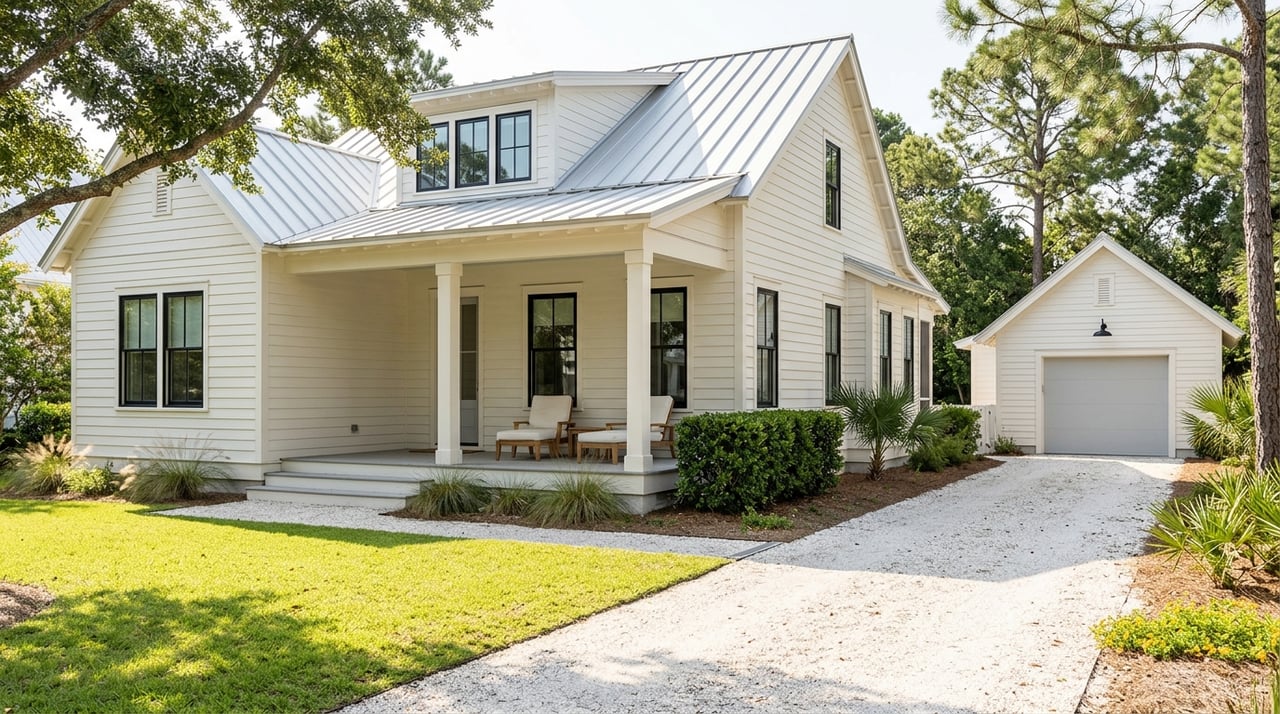
Looking for room to breathe in Seagrove without giving up beach access, bikeability, or future flexibility? That goal is common, but in Seagrove, “more space” does not always mean a much larger parcel or a bigger house. It often means finding the right mix of lot layout, canopy, parking, privacy, and use options so the property works for the way you want to live. If you are buying with both lifestyle and long-term optionality in mind, this guide will help you focus on what matters most. Let’s dive in.
What space really means in Seagrove
Seagrove is known as a classic 30A beach area with mature oak and magnolia canopy, local businesses, and a beach-and-bike lifestyle. Easy access to Deer Lake State Park, Eastern Lake, and the Timpoochee Trail shapes how many owners use their homes every day. In a setting like this, convenience outside the property line can matter just as much as square footage inside it.
If you are drawn to Old Seagrove in particular, it helps to understand the historic layout. Walton County’s adopted neighborhood plan describes a 1930s grid with recorded beach-access easements and smaller original cottage lots that later saw larger vacation-rental-style homes. That history helps explain why buyers who want “space” here are often really looking for usable outdoor areas, canopy preservation, privacy buffers, and workable parking.
Beach access also plays a major role in day-to-day flexibility. In 2026, Walton County opened the Seagrove Regional Beach Access with parking, ADA and bicycle parking, restrooms, a dune walkover, and multi-use-path connectivity. Old Seagrove also includes five pedestrian beach accesses and long-recognized public easements intended to remain open.
Why lot layout matters most
In Seagrove, a lot that looks generous on paper may not feel flexible once setbacks, trees, access points, and environmental rules are considered. That is why layout often matters more than raw dimensions. A well-positioned home on a thoughtfully shaped lot can live larger than a bigger parcel with tighter constraints.
If you want room for outdoor living, guest parking, storage, or a future renovation, start by studying how the lot functions today. Look at driveway placement, buildable area, tree coverage, and how much open space remains around the structure. Those details often shape your options more than total lot size.
For buyers focused on second homes or part-time use, this can be especially important. You may want a property that feels easy and comfortable now, while still preserving future choices if your needs change later.
Old Seagrove rules to know
If a property is inside the Old Seagrove overlay, county rules are designed to preserve the existing residential pattern. The overlay limits density to one dwelling unit per platted lot and does not allow reconfiguration of existing platted lots to create additional units. It also sets 20-foot front setbacks, 7.5-foot side setbacks, 15-foot rear setbacks, and a 40-foot height cap.
Those standards matter if you are thinking beyond the current home. A parcel may seem like a candidate for expansion or redevelopment, but the overlay can narrow what is realistically possible. This is one reason a careful pre-offer review can save time and disappointment.
The Old Seagrove overlay also adds protections tied to redevelopment. County approval is required before removing protected trees, and a tree survey and tree plan are needed before land-clearing permits are issued. If preserving natural canopy matters to you, that can be a benefit. If you are expecting a blank-slate rebuild, it can be a major factor.
Trees, canopy, and outdoor living
One of Seagrove’s defining features is its mature tree canopy. For many buyers, that is part of the appeal because it can enhance privacy, shade, and the feel of the property. It also means that site work may be more regulated than you expect.
In practical terms, protected trees can influence driveway expansion, pool planning, additions, and general clearing. A home with strong outdoor potential may still require careful planning to preserve what the county protects. If your vision includes substantial exterior changes, it is smart to evaluate those limits early.
This is where “space” becomes more nuanced. A property with beautiful canopy and a comfortable yard may offer a better ownership experience than a lot that appears larger but is harder to use well.
Dune lake proximity can change everything
If a parcel is near a coastal dune lake or tributary, development and renovation review can become more complex. Walton County protects 15 named coastal dune lakes, and county code defines a Coastal Dune Lake Protection Zone as land within 300 feet landward of the lake or tributary high-water line. That can trigger added requirements tied to stormwater plans, land clearing, and vegetation protection.
For buyers, this means a property map does not tell the full story. Two homes in the same general area can have very different levels of future flexibility depending on where the protection zone applies. If you are comparing options, this is one of the most important due diligence items to confirm.
That does not make these properties less appealing. It simply means you should understand the rules before you assume a renovation, landscape change, or expansion will be straightforward.
Parking is part of flexibility
Parking does not always get enough attention during a Seagrove home search, but it should. In a beach market where owners may host guests, use bikes, or consider rentals, legal off-street parking can have a direct impact on convenience and compliance.
Walton County notes that parking is usually set during the short-term rental certification process. For new units, parking must be provided at a rate of one space per 900 square feet of heated and cooled space. That means a future addition, guest area, or design change could affect whether a home still functions the way you want it to.
If flexibility matters, count usable spaces carefully. Then think about how those spaces interact with outdoor living areas, landscaping, and any future plans for the property.
Personal use versus rental plans
Many buyers in Seagrove want a home that can support both personal enjoyment and occasional or ongoing rental use. If that sounds like your plan, you need to understand Walton County’s rules before you buy.
Walton County defines a short-term vacation rental as a unit rented more than three times in a calendar year for periods of less than 30 days or one month, whichever is less, or advertised as regularly rented to guests. All short-term rentals in Walton County require annual registration, and operating without registration can bring a $500-per-day penalty. In 2026, the county aligned renewals with the Florida DBPR cycle so both renew annually on June 1.
There are also operating rules owners need to plan for. Walton County requires postings in the home and on the exterior, occupancy information, parking limits, trash instructions, noise notices, and an emergency contact or local responsible party. If you want a property that feels seamless for both private use and rental use, these practical details matter.
In Old Seagrove, newly constructed short-term vacation rental homes are also capped at six bedrooms. That may affect buyers who are evaluating rebuild potential with rental income in mind.
Homestead status deserves a closer look
If you expect to use the home as a primary residence for part of the year or full time, homestead planning should be part of your conversation early on. Walton County says certain owner-occupied homesteaded single-family homes can be exempt from county certification, but renting a homestead can affect that exemption.
The county warns that renting more than 30 days per year in two consecutive calendar years may trigger abandonment of homestead status. It also explicitly recommends certification if a property is expected to be rented for three months or more each year. If you want both personal use and rental flexibility, do not assume occasional rental use is automatically harmless.
This is one of those issues where clarity upfront helps protect your long-term strategy. A home can still be a strong fit, but only if the ownership plan matches the rules.
HOA and overlay layers vary by pocket
One of the most important things to know about Seagrove is that it is not governed by a single uniform set of private rules. Some properties are affected by the Old Seagrove overlay, while others may be in separate neighborhoods with different covenants or architectural review expectations. That means two homes in the same broader search area can come with very different decision layers.
Walton County notes that neighborhood plans can operate as overlay districts and that their standards apply in addition to other county code requirements. The county also recommends using its GIS map to check zoning and overlays by address or parcel ID. For buyers, that means you should treat zoning, overlays, CC&Rs, and any architectural rules as core property facts, not background details.
The county also notes that HOAs can have specific powers through their covenants. If design freedom, rental use, exterior maintenance, or renovation potential matter to you, those recorded rules deserve close review before you move forward.
A smart checklist for Seagrove buyers
When you want space and flexibility in Seagrove, these are the questions worth asking early:
- Is the property inside the Old Seagrove overlay or another neighborhood plan?
- Are there HOA covenants or architectural review rules that affect use or design changes?
- Is the parcel near a coastal dune lake, tributary, wetland, or other protected area?
- How many legal off-street parking spaces exist today?
- Could future changes reduce parking below county or community expectations?
- Are protected trees, beach easements, or canopy rules likely to limit renovation plans?
- If you want rental flexibility, how would county certification affect the property?
- If you expect personal occupancy, how might rental use affect homestead status?
- What is the flood zone, and should you request county flood-zone information or an elevation certificate before writing an offer?
These questions help you move beyond surface appeal and evaluate whether a property truly supports your goals.
Buying with the right strategy
In Seagrove, the best opportunities are often the ones that balance lifestyle and constraints well. A home may offer strong privacy, mature landscaping, and excellent beach access, but still require careful review of overlays, parking, trees, or rental rules. The key is knowing what to measure before you fall in love with a property.
If you are buying from out of state or searching for a second home, that local context becomes even more valuable. You want a property that not only looks right online, but also performs the way you expect once county rules, neighborhood standards, and long-term use plans are taken into account.
With the right guidance, you can find a Seagrove property that gives you room to enjoy the 30A lifestyle now while preserving flexibility for the future. If you are ready to refine your search in Seagrove, connect with Allison Richards P.A. for thoughtful, tailored guidance.
FAQs
What does “space” usually mean when buying in Seagrove?
- In Seagrove, space often means usable lot layout, privacy, canopy, parking, and outdoor living potential, not just a larger house or more acreage.
What should buyers know about the Old Seagrove overlay?
- The Old Seagrove overlay limits density to one dwelling unit per platted lot, does not allow lot reconfiguration to add units, and sets setback and height standards that can affect rebuild or expansion plans.
How do coastal dune lake rules affect Seagrove properties?
- If a property is within Walton County’s 300-foot Coastal Dune Lake Protection Zone, added review for stormwater, land clearing, and vegetation protection may apply.
What are the short-term rental rules for Seagrove homes in Walton County?
- Walton County requires annual registration for short-term rentals, defines them by frequency and rental term, and enforces operating rules that include postings, occupancy details, parking limits, and a local responsible contact.
Can renting a Seagrove home affect homestead status?
- Yes. Walton County warns that renting more than 30 days per year in two consecutive calendar years may trigger abandonment of homestead status.
Why should buyers review HOA rules in Seagrove?
- Seagrove is not governed by one uniform private regime, so HOA covenants and architectural rules can vary by pocket and may affect rentals, renovations, design changes, and maintenance obligations.
Why is parking such an important issue for Seagrove buyers?
- Parking can affect everyday convenience, guest use, and rental compliance, and county certification standards may require a certain amount of off-street parking based on home size.
